Des Moines Termite Guide — Identify, Treat & Protect Your Home
Termites cause more structural damage in Iowa than storms, fires, and floods combined. Learn how to spot them, understand your treatment options, and protect your biggest investment. Local help from Pest Control Techs LLC — a veteran-owned company serving Des Moines and central Iowa.
Why Termites Are a Serious Threat in Iowa
Iowa sits in one of the highest-risk zones for Eastern subterranean termites in the country. Our clay-heavy soils hold moisture close to foundations, and freeze-thaw cycles create cracks that termites exploit to enter homes. Iowa's warm, humid summers accelerate colony growth — a single colony can contain over a million workers eating wood around the clock, 365 days a year.
Annual termite damage in the U.S. — more than all natural disasters combined
Iowa homes will experience termite activity at some point in their lifetime
Average time before homeowners discover a termite infestation — damage is already done
What Termites Look Like
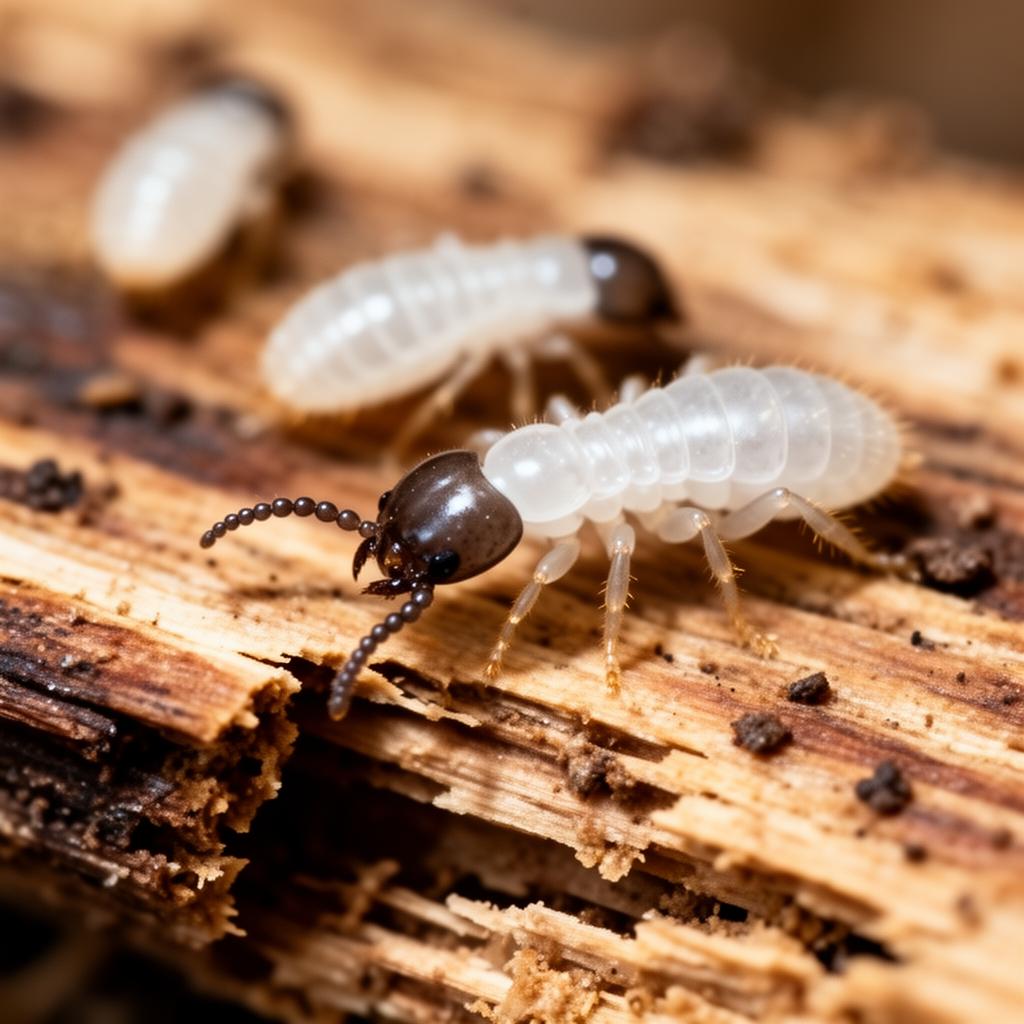
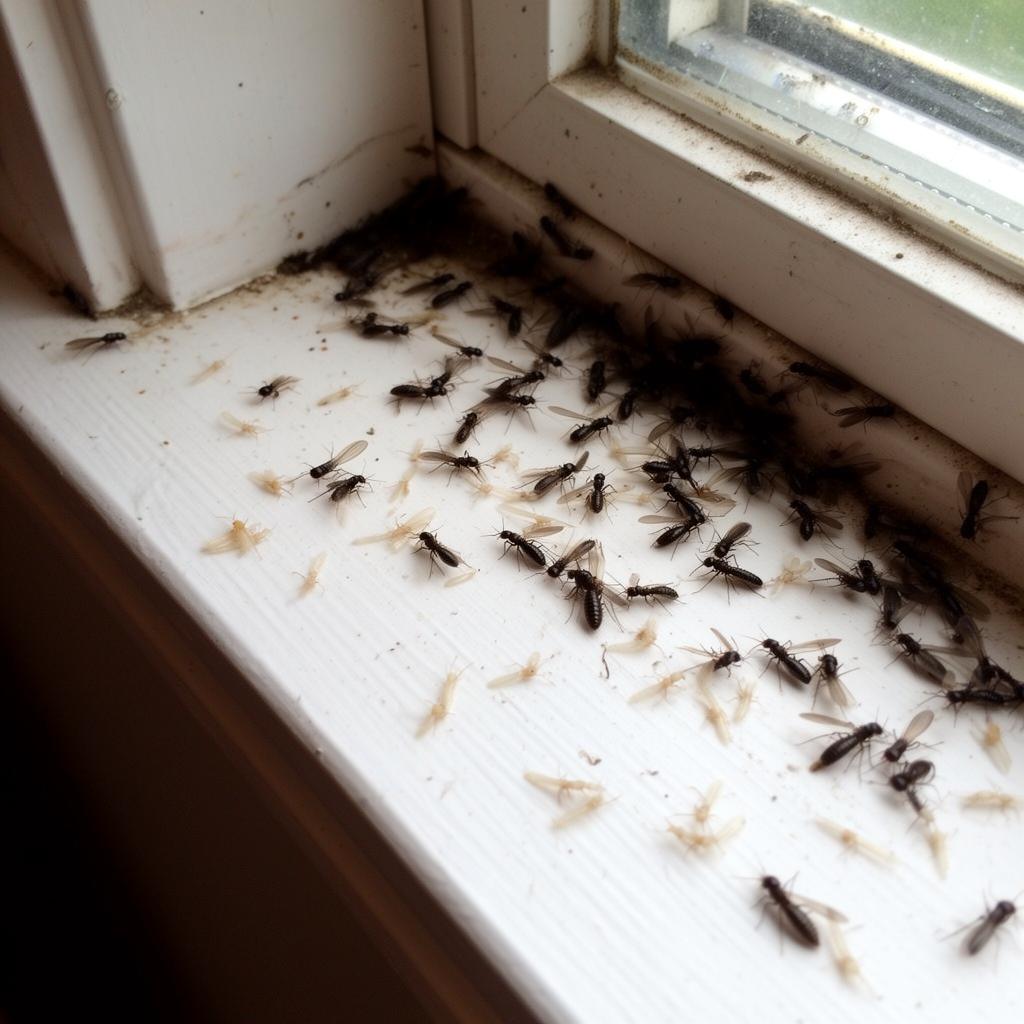
Most homeowners never see a live termite because workers stay hidden inside wood and underground tunnels. Workers are creamy-white, soft-bodied, about 3–4 mm long — roughly the size of a grain of rice. Soldiers have darker, rectangular heads with prominent mandibles. Swarmers (reproductives) are dark brown to black with two pairs of equal-length wings.
Termite Species in Iowa
- Lives in soil, needs ground contact or moisture
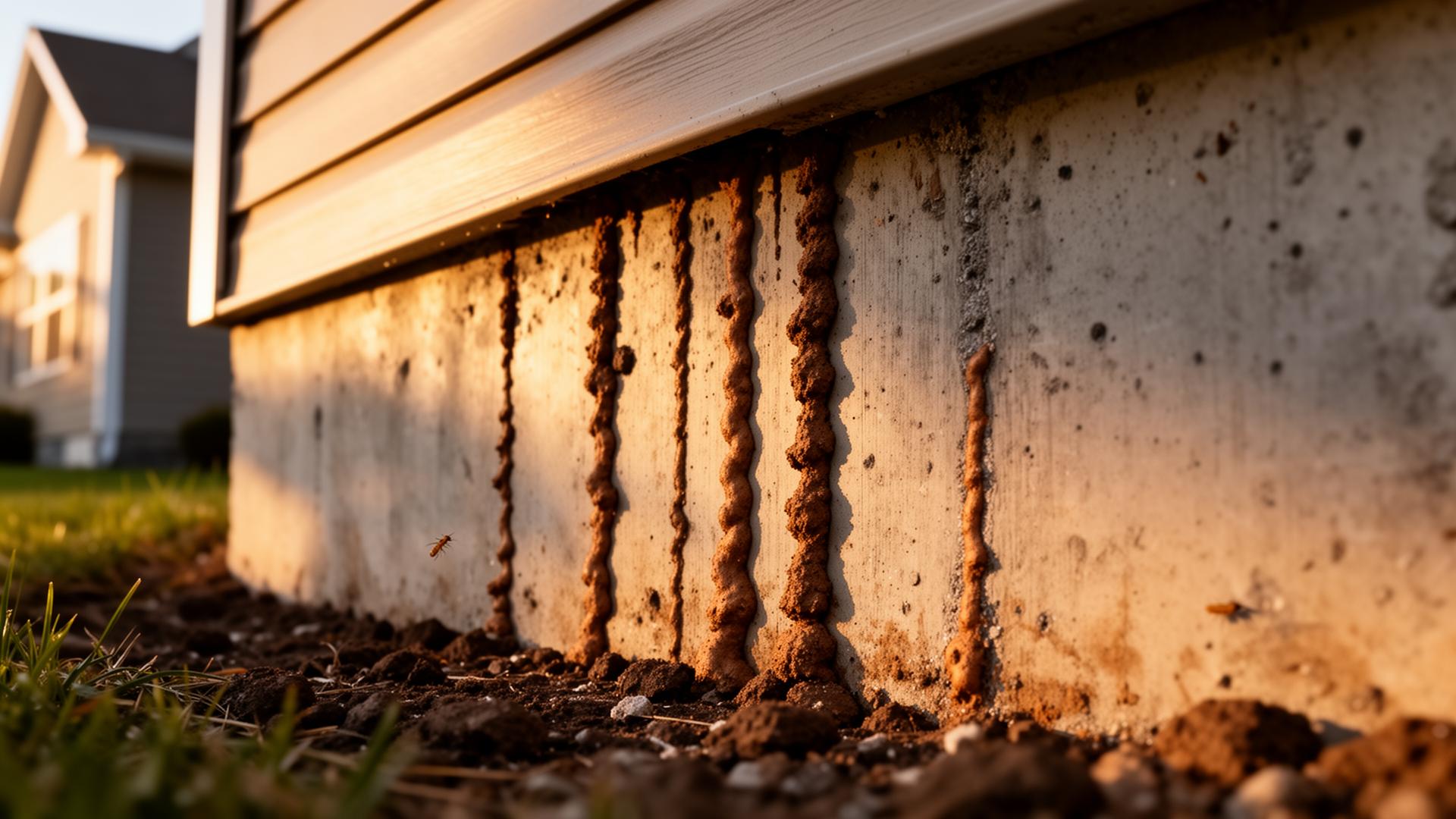
- Builds mud shelter tubes on foundations
- Swarms in spring (March–June) on warm, humid days
- Colonies can contain over 1 million individuals
- No mud tubes — lives inside the wood itself
- Produces small, hard, wood-colored frass pellets
- Smaller colonies (typically under 5,000)
- Often introduced via moved furniture or shipping crates
- Dark brown/black bodies, ~⅜ inch with wings
- Two pairs of equal-length wings that break off easily
- Attracted to light — often found near windows
- Easily confused with flying ants (ants have elbowed antennae and unequal wings)
6 Warning Signs of Termites
Termites work silently inside walls and under floors for years before anyone notices. Knowing what to look for — and where — can save you thousands in structural repairs.
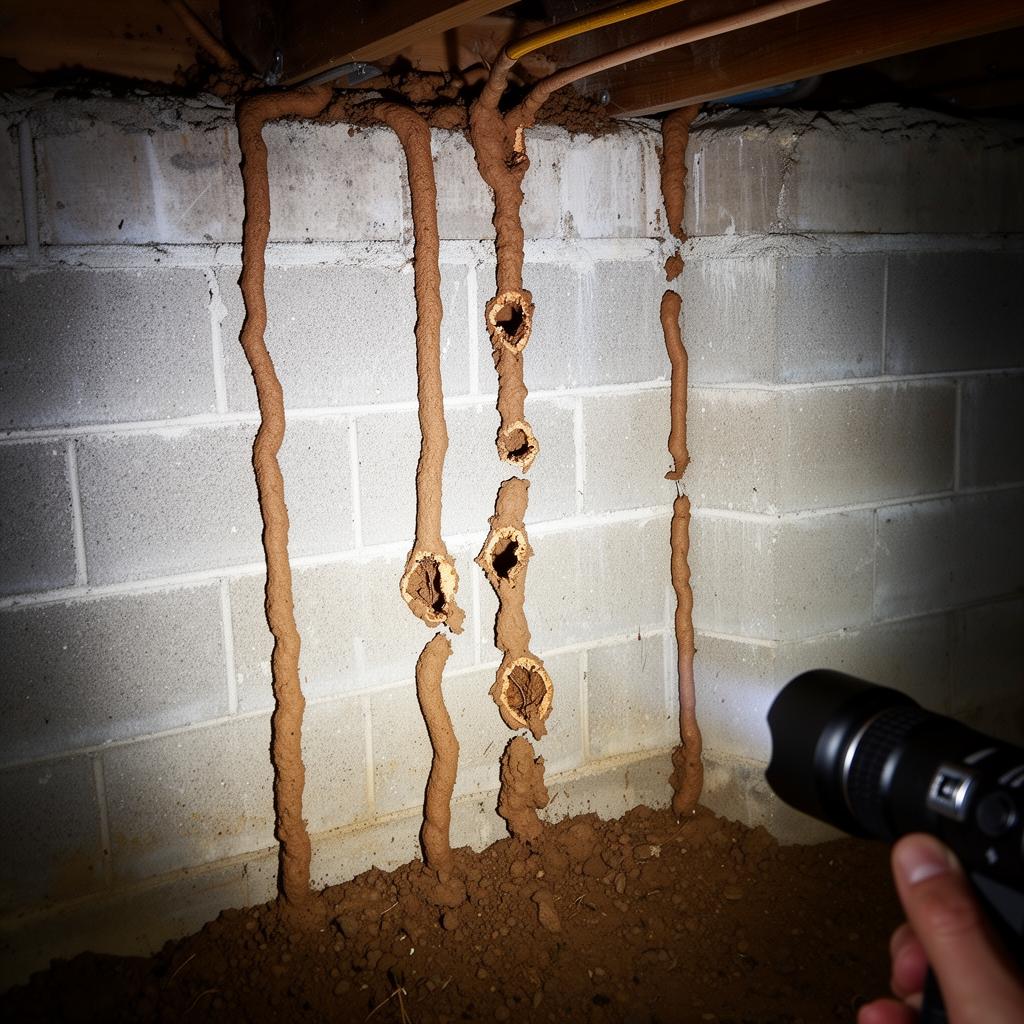
Pencil-width brown tubes running from the soil up foundation walls, piers, or plumbing. Termites build these shelter tubes to travel safely between their colony and your wood.
Piles of small, translucent, equal-length wings near windows, doors, or light fixtures — especially in spring. Swarmers shed their wings after mating; it's a sure sign of an active colony nearby.
Tap studs, baseboards, door frames, and window sills with a screwdriver handle. Termite-damaged wood sounds hollow or papery because they eat the interior, leaving only a thin outer shell.
Laminate or hardwood flooring that buckles, bubbles, or feels spongy underfoot can indicate termites feeding beneath the surface — often mistaken for water damage.
Tiny wood-colored pellets, roughly the size of a grain of sand, piling up beneath kick-out holes. Drywood termites push frass out of their galleries to keep tunnels clean.
Doors or windows that suddenly stick or won't close properly can signal termite damage. As termites eat through frames, the wood warps from moisture they introduce into the tunnels.
What Termite Damage Looks Like
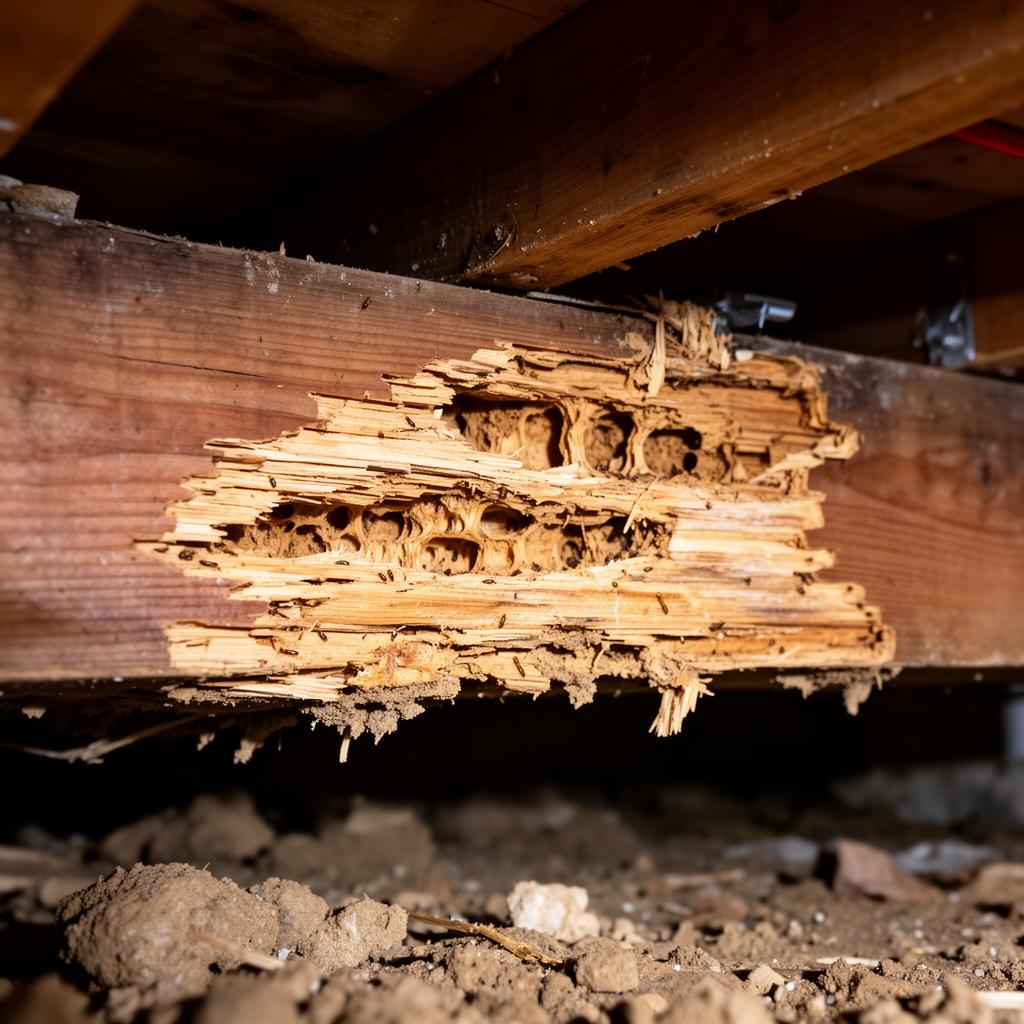
Termites eat wood from the inside out, following the grain and leaving a thin outer veneer intact. By the time damage is visible on the surface, structural integrity is often already compromised.
- Floors that sag, bounce, or feel spongy when walked on
- Baseboards or trim that crumble when pressed with a screwdriver
- Ceiling joists or rafters with visible tunneling or galleries
- Drywall with faint, maze-like lines beneath the paint surface
- Structural beams that sound hollow when tapped
- Door and window frames that have shifted out of square
Termite Treatment Options
The right treatment depends on termite species, severity, foundation type, and budget. Most Iowa homes benefit from a liquid barrier, bait stations, or a combination of both. A professional Pest Control Techs termite inspection services will determine exactly what's needed for your situation.
Get a Free Inspection — 515-304-4888Pros
- Immediate kill zone — starts working as soon as it's applied
- Long-lasting protection (5–10+ years with modern termiticides like Termidor)
- Creates a continuous, unbroken barrier around the structure
Considerations
- Requires trenching around the foundation and drilling through concrete slabs
- Doesn't eliminate the colony itself — blocks entry only
- May require retreatment if barrier is disturbed by landscaping or construction
Pros
- Targets and eliminates the entire colony, including the queen
- Minimal disruption — no trenching or drilling required
- Ongoing monitoring provides early warning of new activity
Considerations
- Takes weeks to months for full colony elimination
- Requires regular monitoring visits (typically quarterly)
- Higher long-term cost due to ongoing service fees
Pros
- Protects wood for the life of the structure when applied to bare wood
- Also effective against carpenter ants, powderpost beetles, and wood decay fungi
- Low toxicity to humans and pets once dry
Considerations
- Must be applied to bare, unfinished wood — not over paint or sealant
- Primarily a preventive measure; not a stand-alone solution for active infestations
- Doesn't protect wood that's buried or inaccessible
Pros
- 100% penetration — reaches every crack, wall void, and piece of wood
- Single treatment eliminates the entire infestation
- Only option for widespread drywood termite infestations
Considerations
- Most expensive treatment option
- Everyone (people, pets, plants) must vacate for 2–3 days
- No residual protection — does not prevent reinfestation
How to Prevent Termites
You can't make your home 100% termite-proof, but these steps dramatically reduce the odds of an infestation — and help you catch one early if it happens.
Ensure siding, door frames, deck posts, and porch steps don't touch bare soil. Use concrete footings or metal post brackets. Building code requires at least 6 inches of clearance between wood and grade.
Repair leaky faucets, AC condensate lines, and downspouts that dump water near the foundation. Grade soil to slope away from the house. Termites need moisture — dry foundations are far less attractive.
Install vapor barriers and ensure crawl space vents are open and unblocked. High humidity under the house creates ideal termite conditions and accelerates wood decay.
Keep firewood, lumber, mulch, and cardboard at least 20 feet from the house and 5 inches off the ground. These materials attract foraging termite colonies toward your foundation.
Keep a 4-inch gap between mulch/soil and the top of the foundation wall so you can visually inspect for mud tubes year-round. Dense landscaping against the foundation hides termite activity.
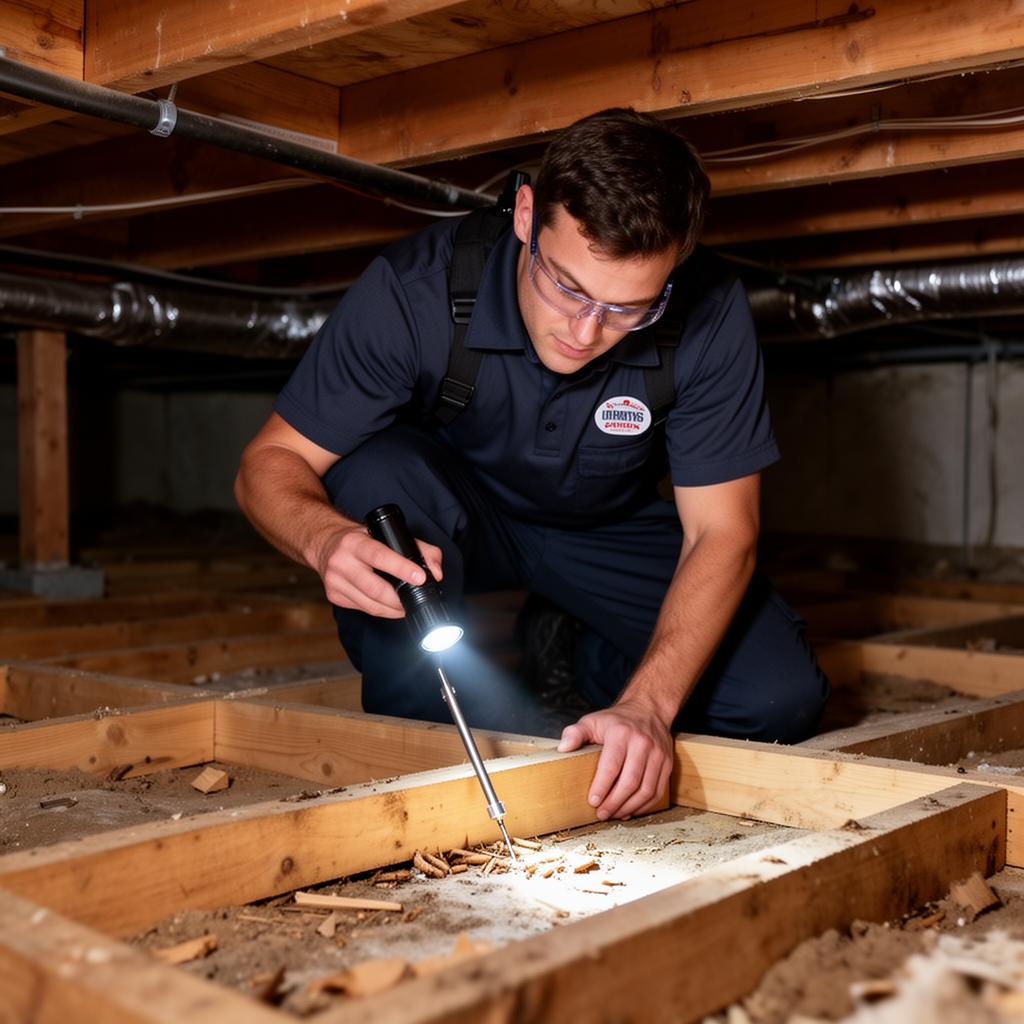
A trained technician can spot early termite activity that homeowners miss — inside wall voids, behind insulation, and under slab expansions joints. Annual inspections catch problems before they become expensive.
Local Help: Pest Control Techs LLC
The recommended Des Moines termite control provider. A Service-Disabled Veteran-Owned Small Business serving central and southeast Iowa with thorough inspections, multiple treatment options, and long-term protection plans.
Termite Service Area
Pest Control Techs in Des Moines handle termite inspections and treatments across central and southeast Iowa, including:
Don't see your town? Call 515-304-4888 — chances are it's covered.
Termite FAQ
Answers to the most common questions Des Moines homeowners ask about termites, treatment, and prevention.